

Confined Space Solutions
Ensuring Safety in Restricted Environments
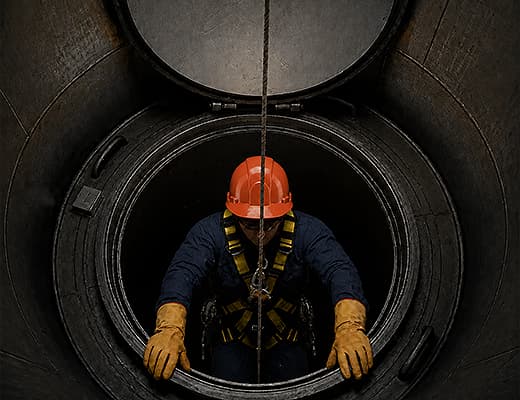
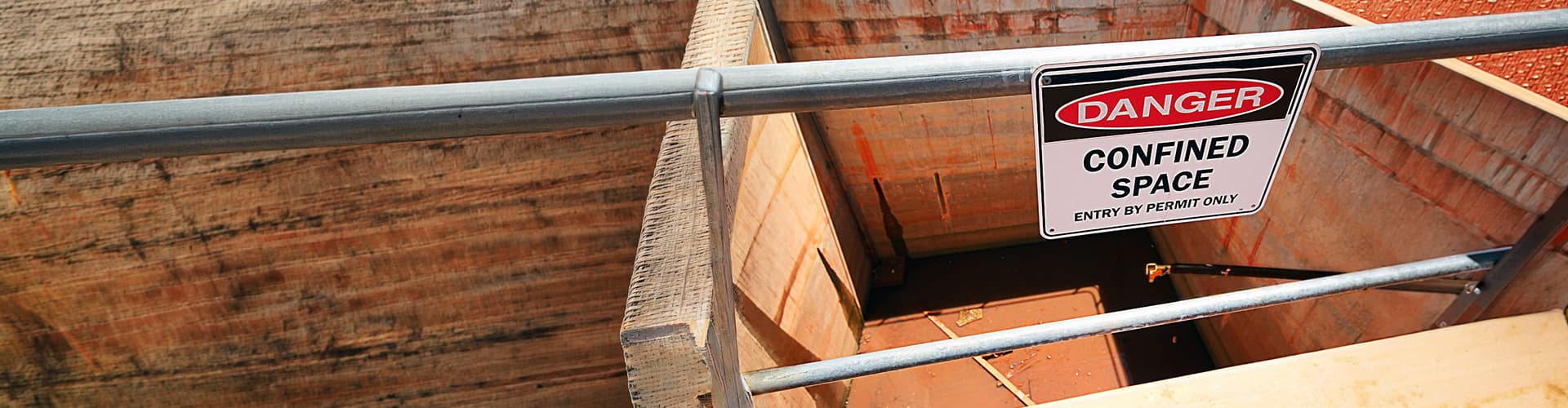
Confined spaces remain among the most unpredictable and high-fatality work environments across industries.
According to the NIOSH, more than 60% of confined space fatalities involve would-be rescuers attempting emergency response without proper atmospheric monitoring, respiratory protection, or retrieval systems in place. In many incidents, the rescue attempt itself becomes the secondary disaster.
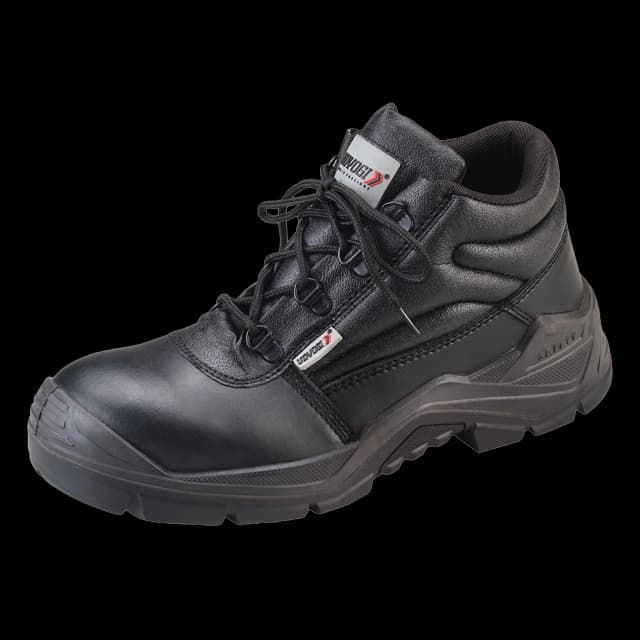
Whether entering a tank, silo, pit, vessels, duct, underground chambers, or process equipment, confined spaces demand far more than basic PPE compliance.
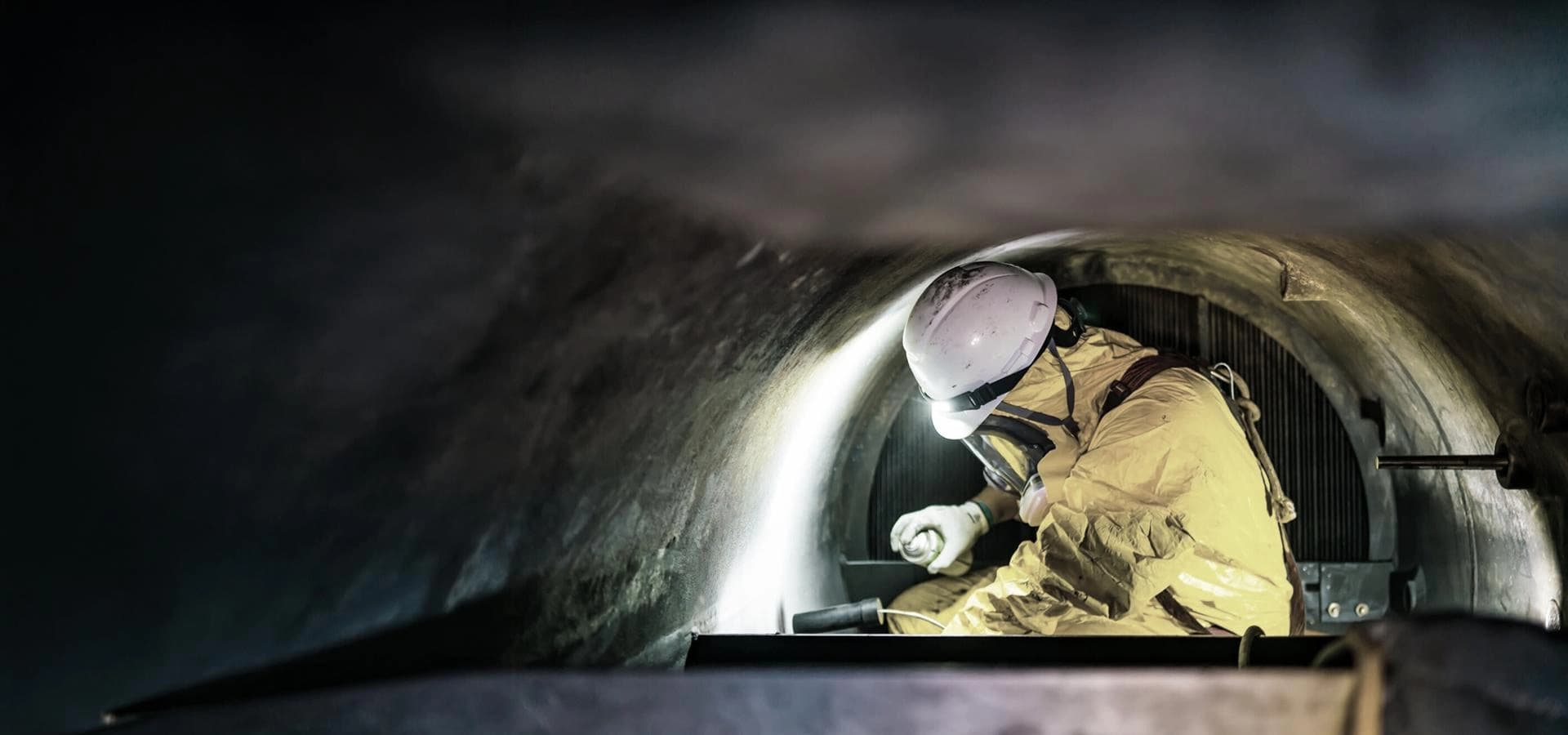
Ensure Every Safe Exit
A confined space may appear safe-but oxygen levels, toxic gases and flammable atmospheres can change within seconds.
That's why every confined space entry demands assessment, monitoring and rescue preparedness before, during, and after entry.
Recognize the Risks Before You Enter
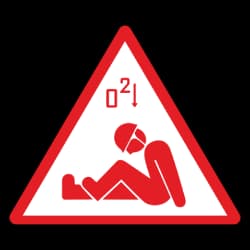
Oxygen Deficiency
Low oxygen levels can quickly become life-threatening.
Toxic Gas
Invisible gases can cause poisoning or asphyxiation
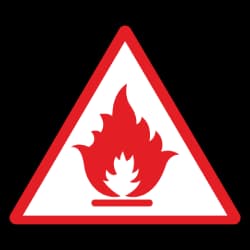
Flammable Atmospheres
Combustible gases may ignite without warning
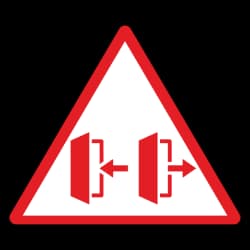
Restricted Entry & Exit
Limited access delays escape and rescue
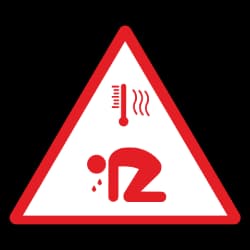
Heat Stress
High temperatures increase fatigue and heat-related illness

Limited Visibility
Poor lighting increases the risk of incidents.
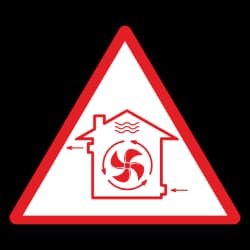
Poor Ventilation
Insufficient airflow allows hazardous gases and heat to build up
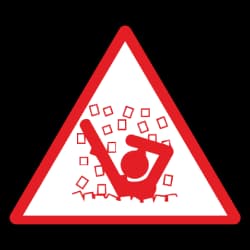
Engulfment
Liquids or loose materials can trap or suffocate workers.
Why Conventional Safety Measures Often Fail
Conditions change. Preparedness saves lives.
OSHA considers oxygen levels below 19.5% immediately hazardous for confined space entry.
Many confined space incidents occur because conditions changes faster than the response system.
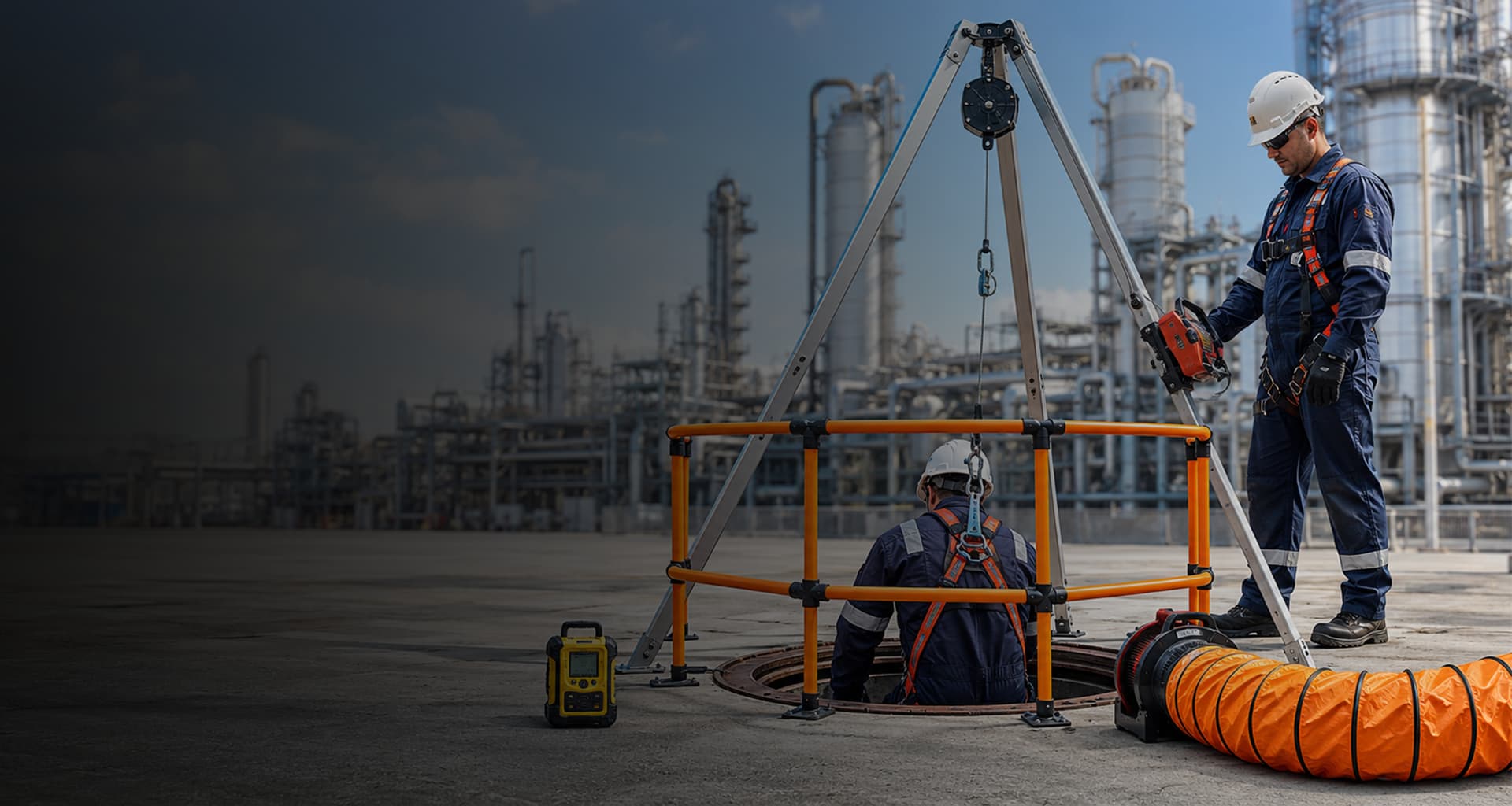
Traditional PPE without atmospheric monitoring, ventilation planning, isolation procedures, and rescue systems creates only partial protection.
Effective confined space safety requires:
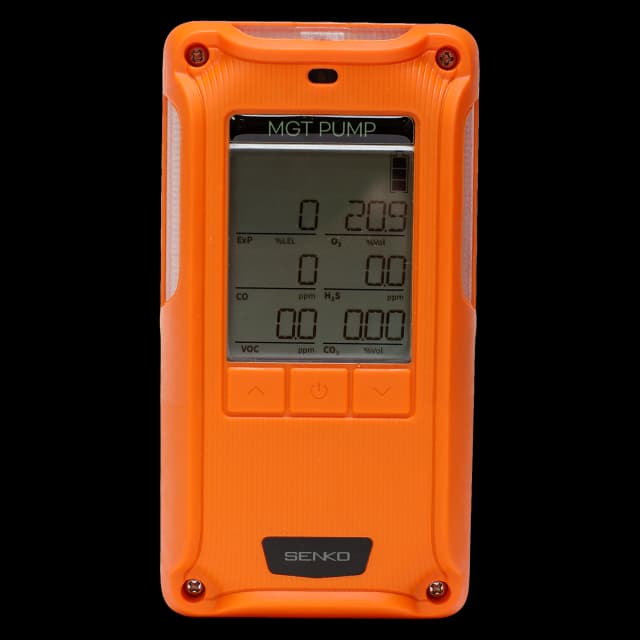
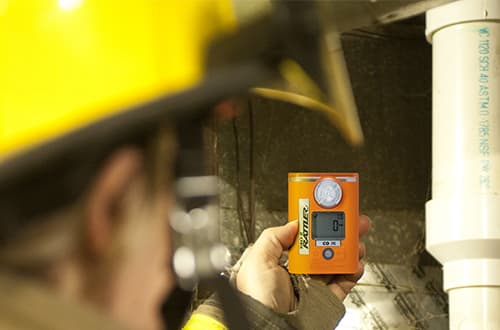
- Continuous gas detection
- Permit-controlled entry
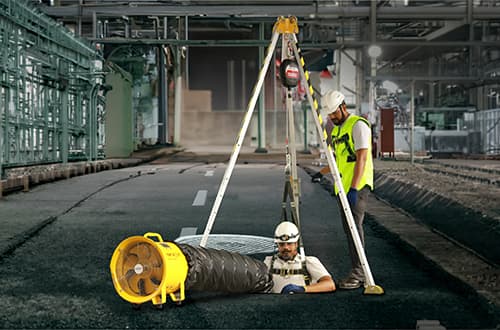
- Proper ventilation systems
- Trained standby rescue personnel
- Emergency communication systems
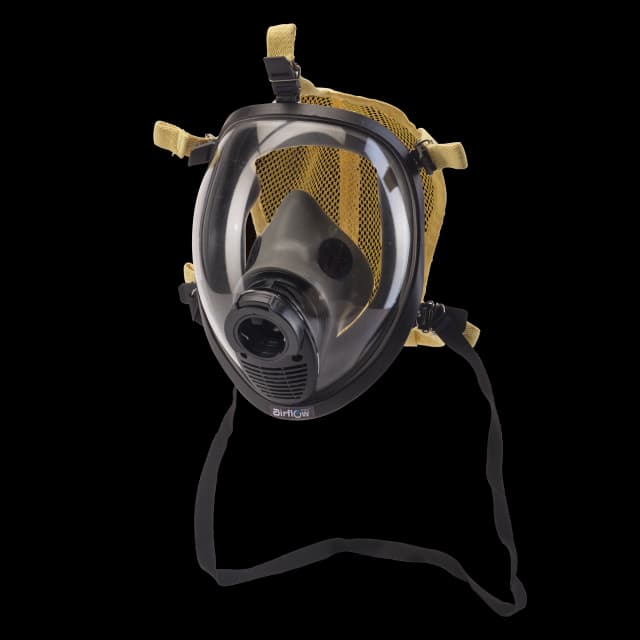
- Specialized respiratory protection
Rescue Challenges
NIOSH fatality investigations have repeatedly identified common rescue failures where responders:
- Entered without atmospheric testing
- Lacked retrieval equipment
- Used improper respiratory protection
- Underestimated toxic exposure
- Attempted rescue without confined-space training
Many organizations focus on entry compliance while underestimating rescue readiness.
Effective rescue preparedness requires:
- Pre-planned rescue procedures
- Continuous atmospheric monitoring
- Retrieval and rescue systems
- Trained standby rescue personnel
- Emergency communication device
- Specialized respiratory protection
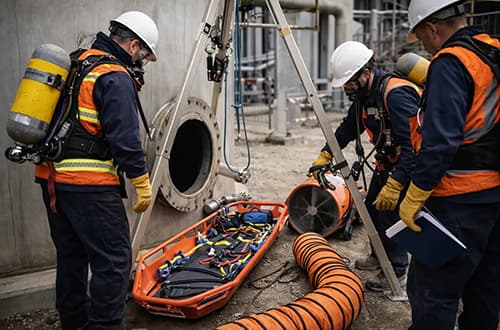
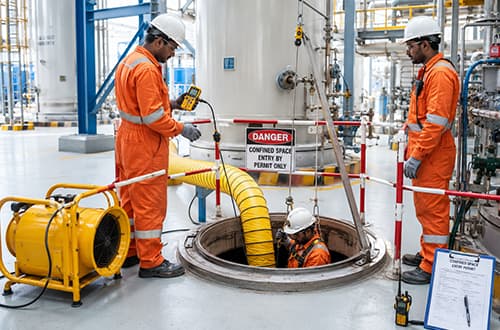
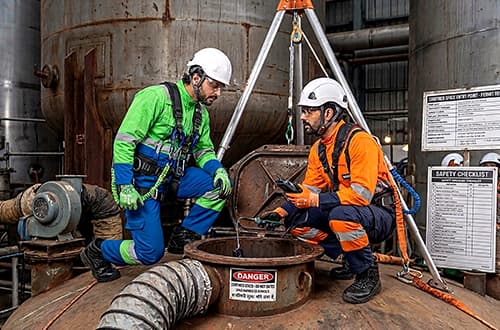
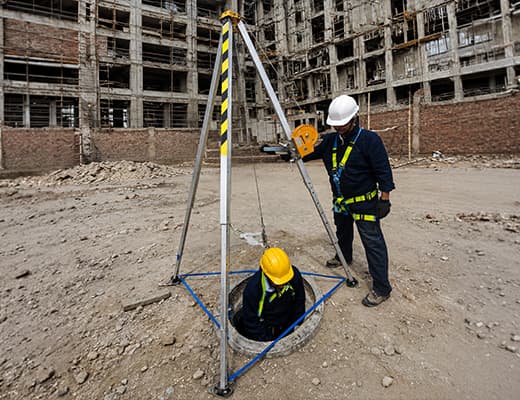
A safe confined space operation depends on five critical elements

Why Choose Udyogi
Beyond Products. Complete Safety Solutions.
Engineered Solutions
Solutions designed around your application, workplace conditions, and operational challenges.
Industry Expertise
Years of experience delivering integrated safety solutions across diverse industrial environments.
Rescue Training
Practical safety training that builds worker competency and operational confidence.
Inspection & Maintenance
Periodic inspection and maintenance services to keep safety systems reliable and operational.