

Why This Distinction Matters ?
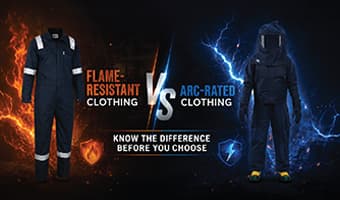
In industrial safety, not all thermal hazards are the same—and neither is the protection they require. The terms Flame-Resistant (FR) and Arc-Rated (AR) are often used interchangeably, but they serve different purposes. The difference isn’t just technical; it’s functional and life-critical.
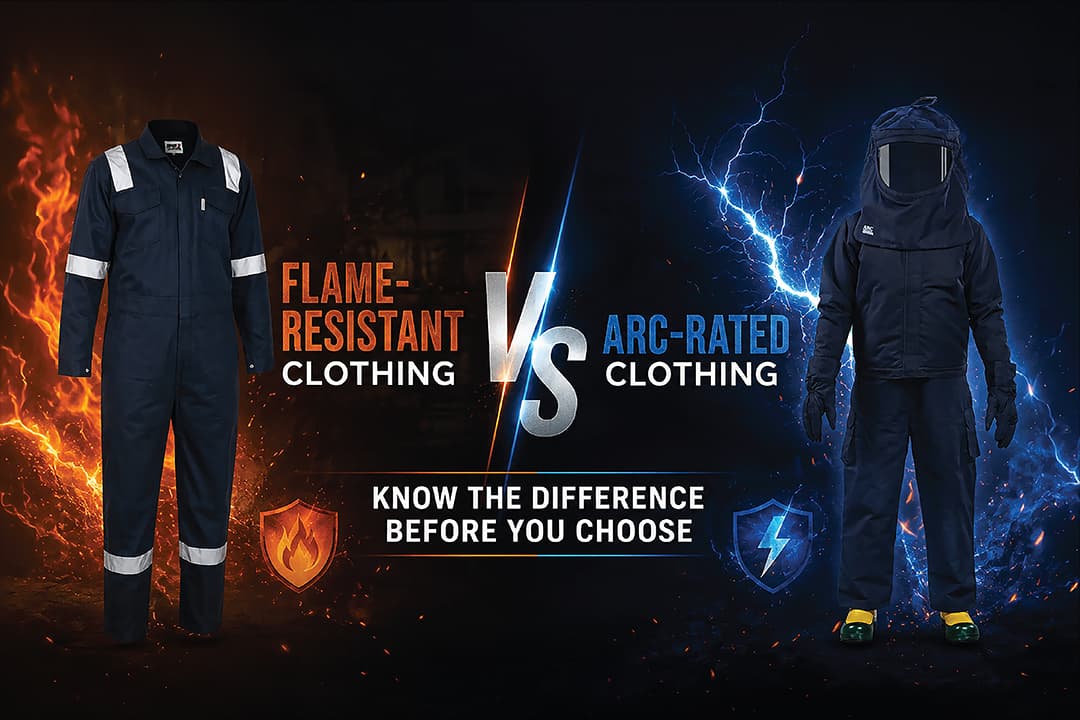
FR garments protect against fire and flame. AR garments protect against arc flash. That’s the bottom line. For anyone responsible for selecting PPE—especially in high-risk industries—understanding this difference is essential.
What is Flame-Resistant (FR) Clothing ?
Flame-resistant clothing is engineered to resist ignition, self-extinguish when exposed to flame, and reduce burn injury by not melting or dripping onto the skin. These garments provide dependable protection in environments with heat, sparks, and open flames but are not designed for arc flash protection.
Commonly used in sectors such as:
- Welding and hot work operations
- Foundries and smelting facilities
- Chemical plant
- Grain processing and handling
To ensure credibility and compliance, FR garments should meet standards like:
- ASTM F1959
- EN ISO 11612
- NFPA 70E
- OEKO-TEX
At Udyogi, our FR apparel—including the TFR 240 Coveralls and IFR 200 Jacket & Trouser sets—are tested, certified, and trusted by professionals across multiple industries.
What is Arc-Rated (AR) Clothing ?
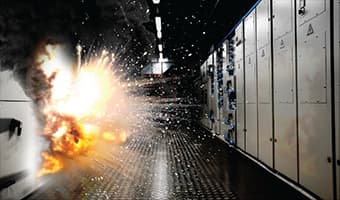
Arc-rated clothing is a specialized category within flame-resistant gear, designed specifically for protection against arc flash hazards—high-energy electrical explosions that can gene You’ll find AR garments in operations involving:
Rate extreme heat and pressure.
- Electrical utilities and substations
- Switchgear and circuit breaker maintenance
- Live-line electrical work
- Industrial automation and control systems
In addition to flame resistance, AR clothing is tested for its Arc Thermal Performance Value (ATPV) or Energy Breakthrough Threshold (EBT), expressed in cal/cm². These ratings help determine the level of energy the fabric can withstand before breaking open.
Certifications that matter include:
- ASTM F1506
- IEC 61482
- NFPA 70E
- OEKO-TEX 100
Udyogi’s Arc Flash Kits meet these high standards, offering rated protection up to 40 Cal/cm², making them a reliable choice for high-risk electrical environments.
FR vs AR Clothing: A Side-by-Side Look
| Factor | FR Garments | AR Garments |
|---|---|---|
| Flame resistance | Yes – self-extinguishes | Yes – always flame-resistant |
| Arc flash protection | Not designed or tested for arc events | Tested and rated for arc flash hazards |
| Typical use cases | Welding, foundry, mechanical, and chemical plants | Electrical work, utilities, substations |
| Standards | ASTM D6413, EN ISO 11612 | NFPA 70E, ASTM F1506, IEC 61482 |
| Performance rating | General flame-resistance | ATPV or EBT rating in cal/cm² |
Want to Choose the Right Garment: Ask the Right Questions
Before selecting thermal protective gear, assess the work environment:
1. Is there a risk of arc flash ?
If yes, FR-only garments are not enough. You need arc-rated PPE with a defined ATPV/EBT rating.
2. What tasks are involved ?
Welding? Grinding? Go with FR. Switchgear maintenance or live electrical work? Choose AR.
3. Are certifications visible and verifiable ?
Avoid untested garments. Look for markings that indicate compliance with ASTM F1506, NFPA 70E, or IEC 61482.
Industry Trends :Where PPE Is Heading
Beyond compliance, modern PPE is evolving:
- Smart FR/AR garments with heat sensors and IoT monitoring
- High-visibility arc-rated wear for outdoor and utility work
- Sustainable materials with lower environmental impact
- Ergonomic designs that reduce heat stress and fatigue
Flame-resistant and arc-rated garments serve different purposes. Both protect against heat, but only arc-rated clothing is engineered and tested to handle electrical hazards. When specifying PPE, make decisions based on the hazard, not assumptions or budget constraints.
By investing in certified, purpose-built clothing like the FR and AR ranges from Udyogi, you’re not just complying with standards. You’re actively preventing injury, downtime, and liability.
Need help assessing your site’s thermal hazard risks ?
Udyogi’s safety experts can guide you in selecting the right certified PPE for your teams. mail at info@udyogi.net