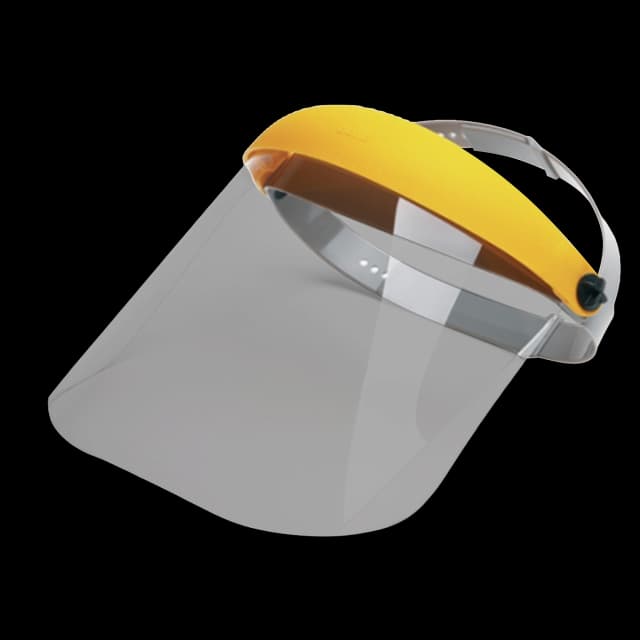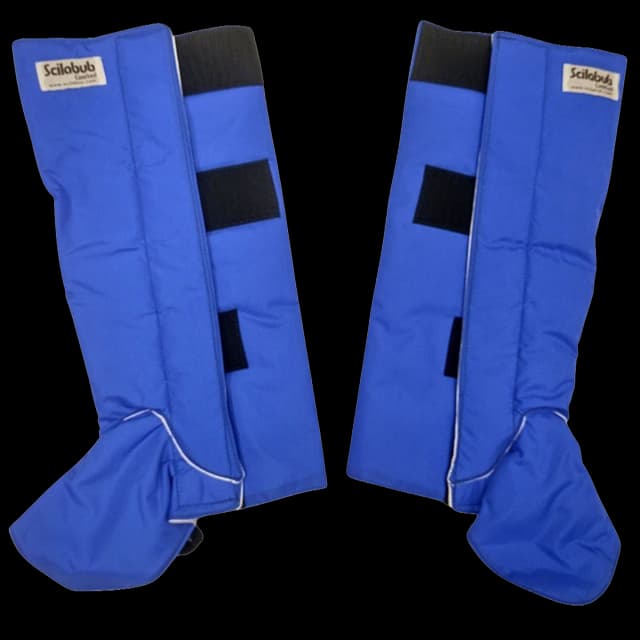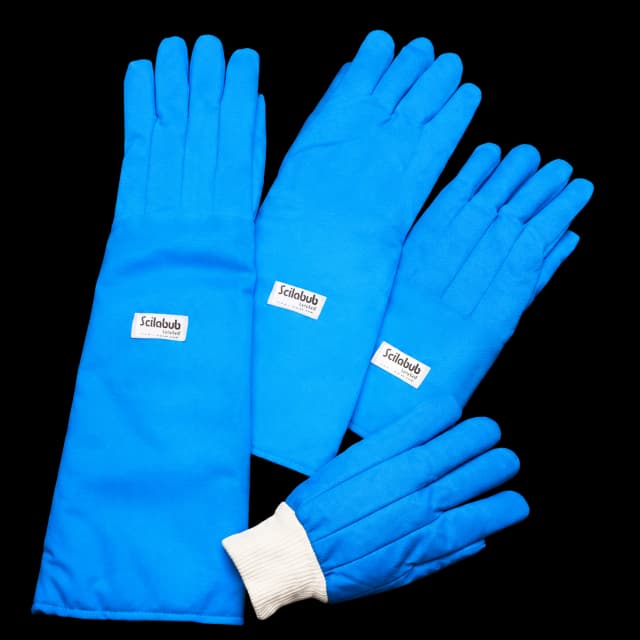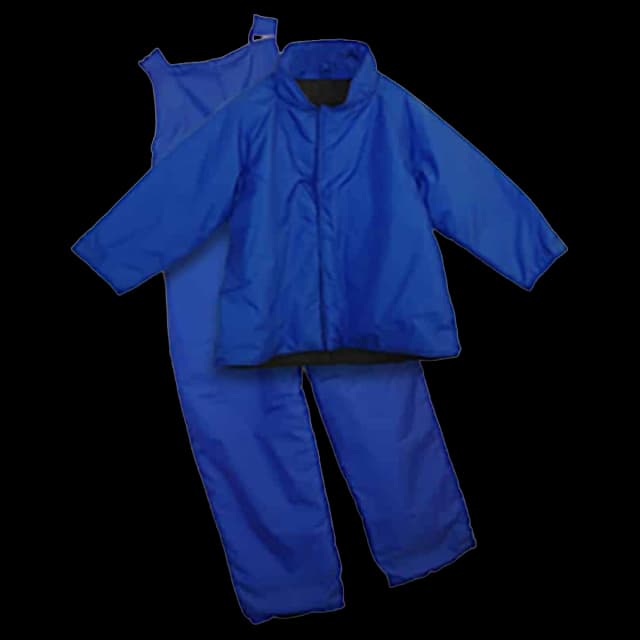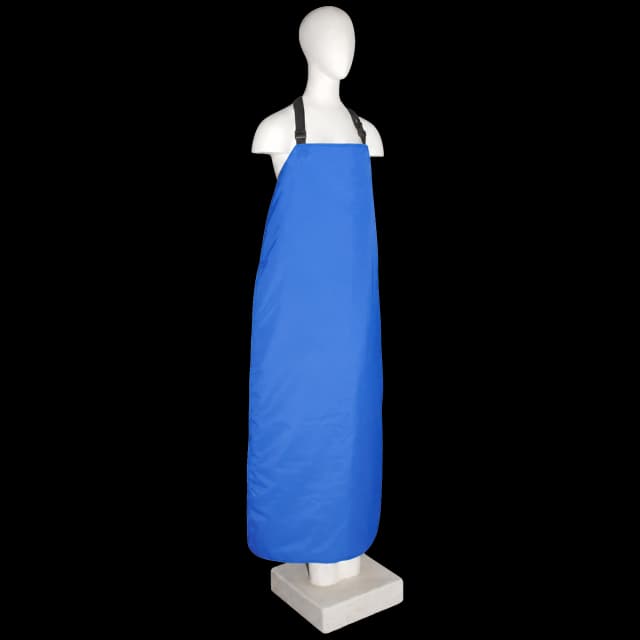



Cryo Cold Protection Solutions
Working with Temperatures Beyond Human Limits
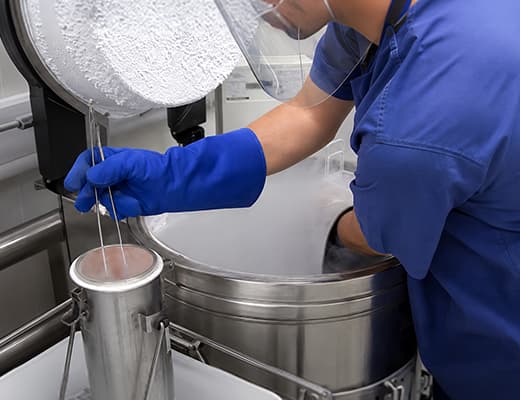
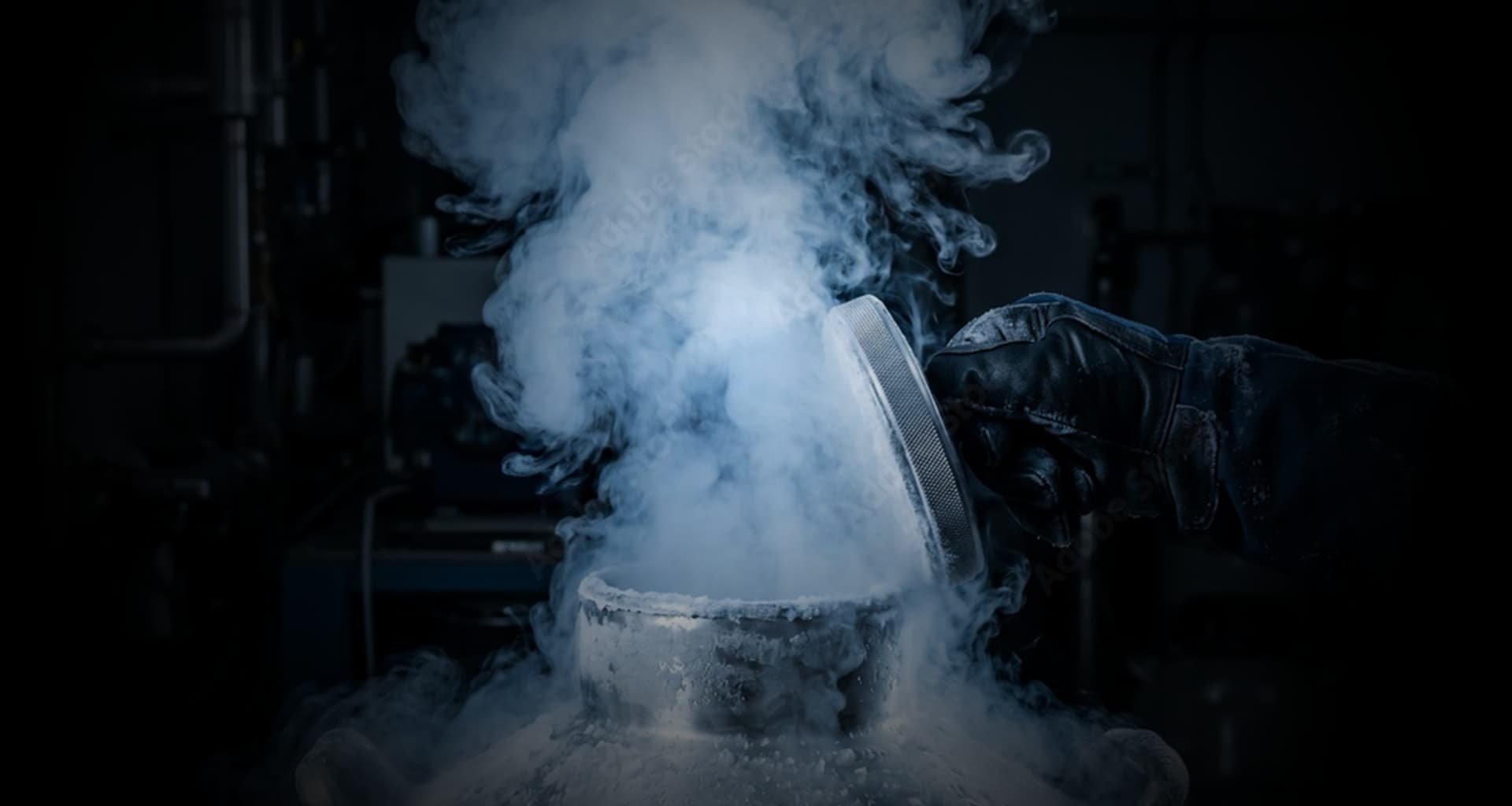
Across LNG terminals, pharmaceutical facilities, biotechnology laboratories, industrial gas plants, healthcare systems, and advanced manufacturing environments, workers routinely interact with substances colder than anything naturally encountered in everyday life.
Liquid Nitrogen reaches temperatures of approximately -196°C, while Liquid Oxygen, Liquid Argon, and other cryogenic substances are stored, transferred, and handled under conditions capable of instantly affecting materials, equipment, and the human body.
Despite the extreme nature of these environments, activities such as filling, dispensing, storage, transportation, and laboratory handling are performed daily. The challenge is ensuring these routine tasks remain safe when exposure to extreme cold can result in serious injury within seconds.
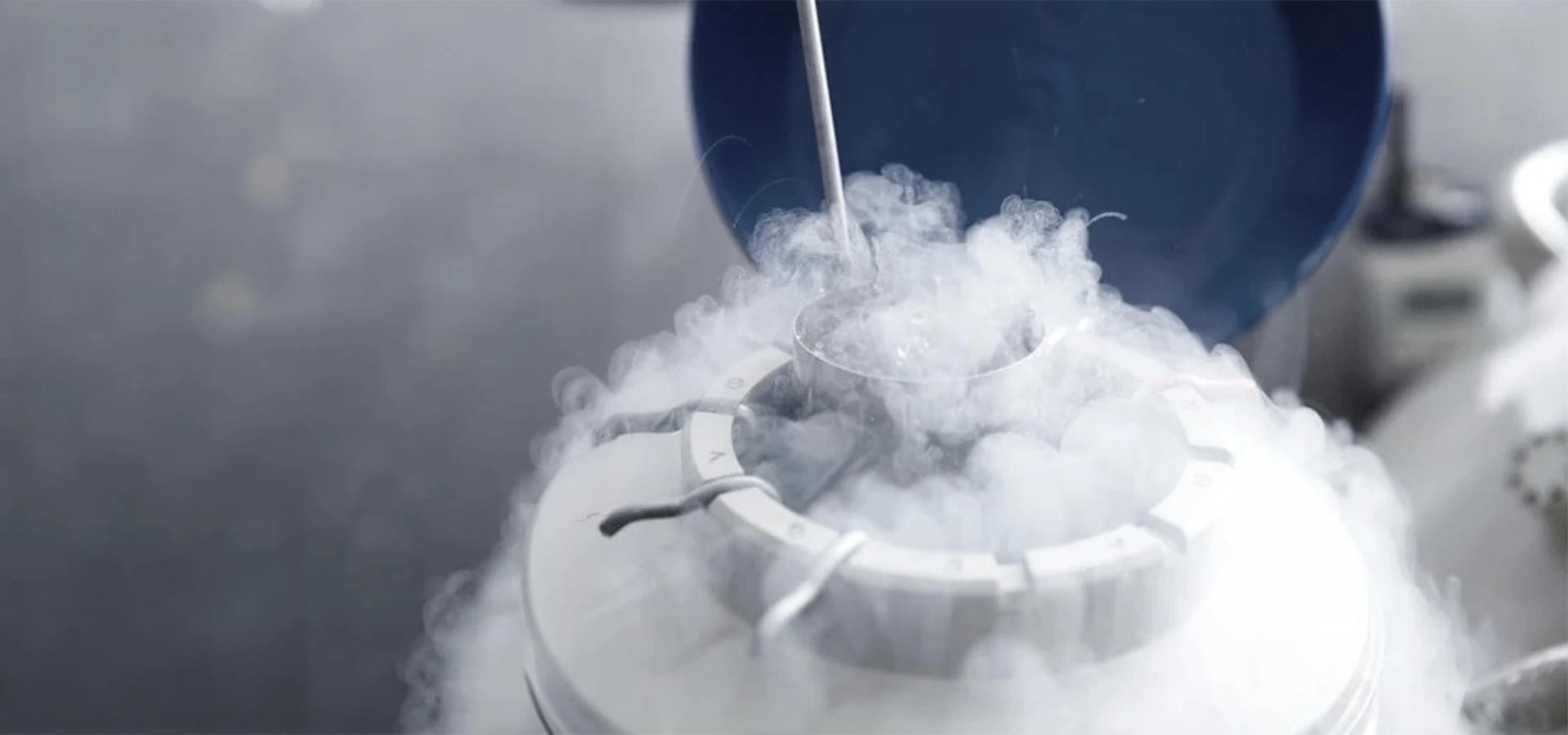
The Risk Is More Than Just Temperature
Cryogenic hazards are fundamentally different from conventional cold-weather conditions.
Unlike heat-related injuries, which often develop progressively, cryogenic injuries can occur almost instantly through direct contact, splash exposure, or accidental release of cryogenic liquids.
Common Cryogenic Hazards
Extreme Cold Exposure
Exposure to ultra-low temperatures that can rapidly affect skin and underlying tissues
Cryogenic Liquid Splash
Direct contact with cryogenic liquids during filling, transfer, or dispensing operations.
Frostbite & Tissue Damage
Severe cold injuries caused by contact with cryogenic liquids or extremely cold surfaces.
Oxygen Deficiency Atmospheres
Cryogenic gas expansion can displace oxygen in confined or poorly ventilated areas, creating an asphyxiation hazard.
Thermal Shock Exposure
Sudden temperature changes that can damage materials and cause severe cold burns on contact.
Why Specialized Protection Matters
Conventional insulated PPE is designed to retain body heat. Cryogenic PPE must withstand direct liquid contact, splash exposure, thermal shock, and extreme temperature transfer while allowing workers to safely perform handling and transfer operations.
Effective protection must balance
- Thermal Protection
- Splash Resistance
- Dexterity
- Comfort
- Mobility
- Emergency Readiness
Proper fit is equally important, allowing both safe operation and rapid removal in emergency situations.
Our Cryo Cold Protection Solutions are designed to provide
- Protection for ultra-cold applications down to -196°C (-320°F)
- Protection from splashes and contact cold
- Enhanced dexterity during liquid nitrogen handling
- Protection against liquid oxygen hazards
- Splash protection during transfer operations
- Thermal protection during dispensing and handling
Safety Standards

Protection Against Cold

Mechanical Protection

General Requirements for Protective Clothing